


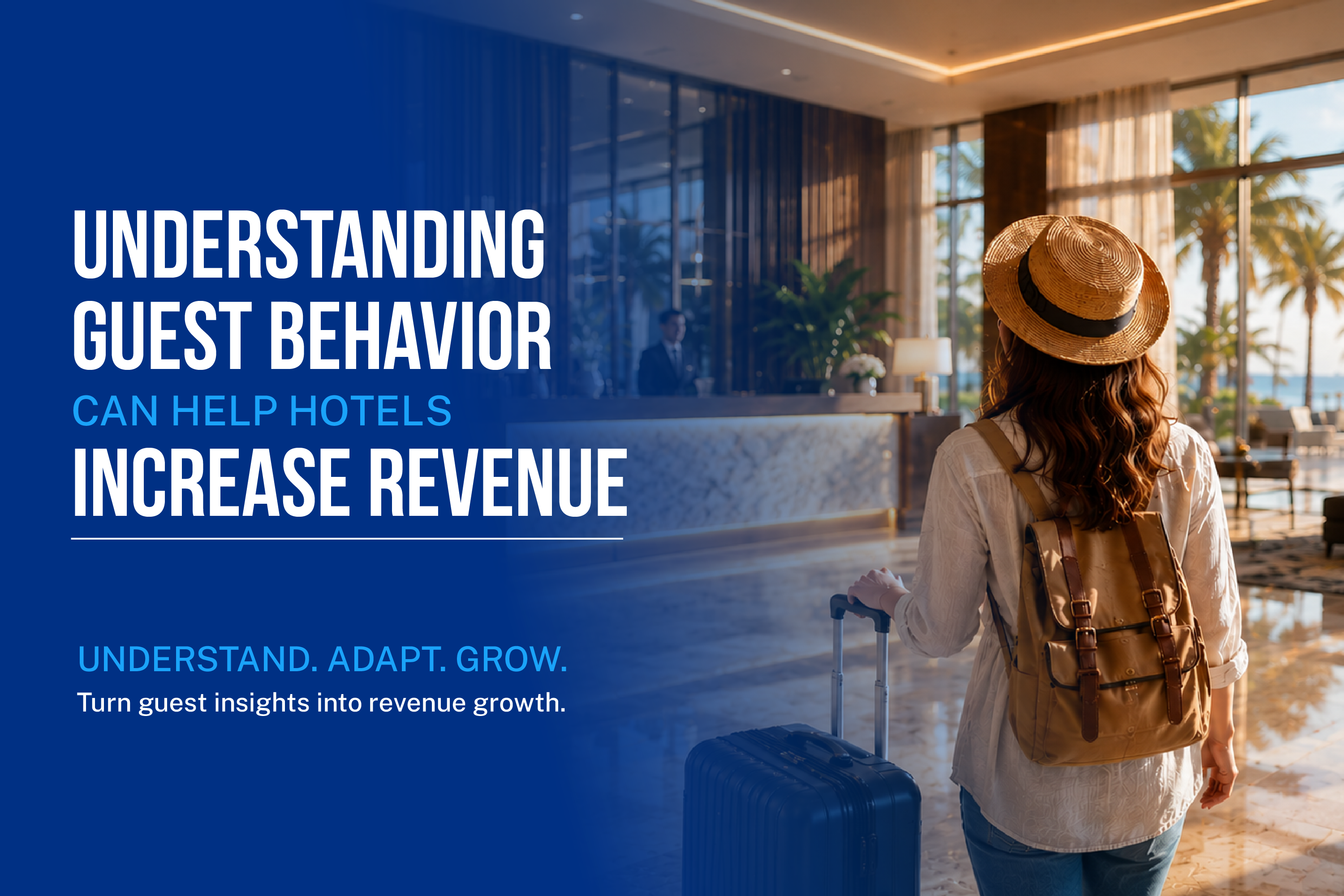
How Understanding Guest Behavior Can Help Hotels Increase Revenue
Today’s guests are smarter and more selective than ever before. Before booking a hotel, guests compare multiple properties, read reviews, check photos, analyze pricing, and evaluate the overall experience.
For hotels, especially independent properties, understanding how guests think can directly impact revenue growth. Hotels that align their strategy with guest expectations are more likely to increase occupancy, improve direct bookings, and maximize profitability.
Better First Impressions Lead to Higher Conversions
Guests decide quickly. If your hotel has poor-quality photos, outdated branding, inconsistent information, or an unprofessional website, potential guests may leave before booking.
Investing in strong visuals, clear room descriptions, updated content, and a smooth booking experience helps improve conversion rates and increase booking opportunities.
Smart Pricing Helps Capture More Demand
Guests compare prices across multiple platforms before booking. Hotels that use dynamic pricing strategies based on demand, seasonality, local events, and occupancy trends can maximize revenue instead of relying on static rates.
The goal is not always to be the cheapest hotel — it is to offer the best value.
Positive Reviews Increase Booking Confidence
Guest reviews strongly influence booking decisions. Hotels with consistent service, clean rooms, and strong guest experiences often receive better reviews, leading to higher trust and increased bookings.
Reputation management is now an important part of hotel revenue strategy.
Direct Booking Optimization Reduces OTA Dependency
Many guests are willing to book directly if the experience is simple and trustworthy.
Hotels can increase direct bookings by offering:
- a mobile-friendly website,
- an easy booking experience,
- exclusive direct booking offers,
- and flexible cancellation policies.
Increasing direct bookings helps reduce OTA commissions and improve profitability.
Conclusion
Understanding guest behavior is no longer optional for hotels — it is essential for revenue growth.
From pricing and reviews to direct bookings and guest experience, every guest interaction impacts hotel performance. Hotels that focus on what guests truly value can improve occupancy, increase ADR, and drive long-term profitability.
Connect with our team to discover how your property can drive higher occupancy and more profit.
